Dream. Explore. Discover.
Relax! You're with us! We make it simple.
Tours
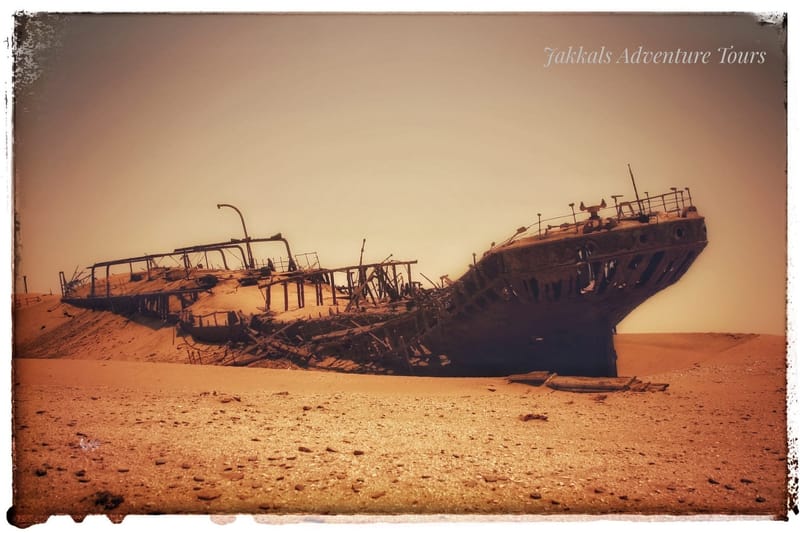
Faces of the Namib
Surfing the desert dunes of Namibia in a 4X4. Imagine sitting on top of a dune 35 storeys high with a "slipface" 38-degrees straight down. 4X4ing through the Namib Desert on a dune tour is a heart-pumping adventure of slip faces, shipwrecks and ghost towns – you’ll love it!
Learn More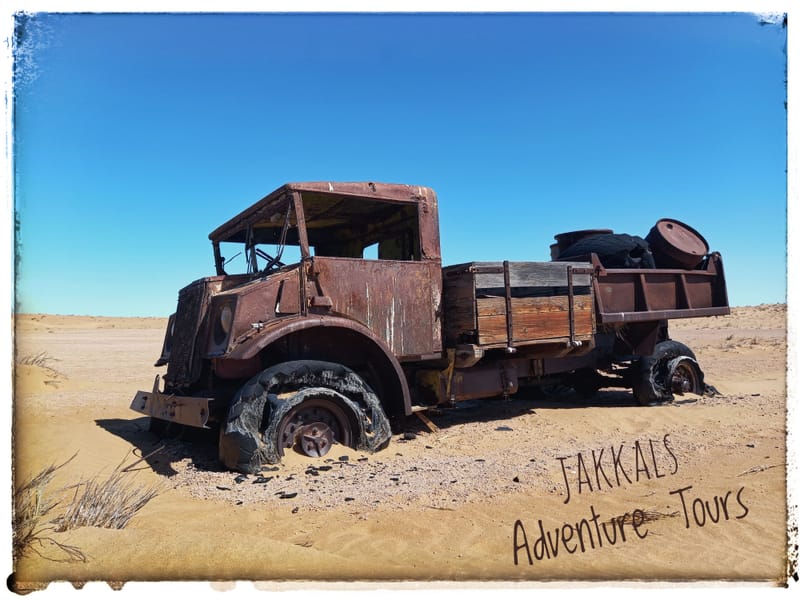
Luderitz to Walvis Bay Dune Adventure
We've given this epic dune trip a fresh vibe while keeping all the wild, raw fun that makes it special. A 7-day adventure from Aus to Walvis Bay, but now with a more laid-back feel, a bit more time to soak in the views, and some extra tips for first timers. Perfect for anyone who wants to conquer big dunes, see ghost towns and shipwrecks, and still have time for epic sunsets and cold drinks.
Learn More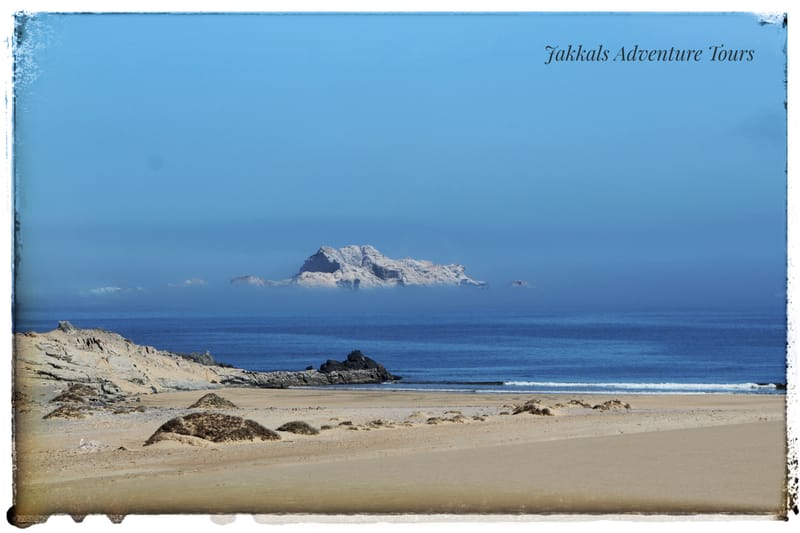
Unforgettable Namib Dune Adventures at Saddle Hill
Conveniently located, Saddle Hill provides an authentic and captivating Namib dune experience—ideal for those who wish to stay near home yet crave the magic of the desert. Whether you're a local exploring the dunes for the first time or a visitor eager to preview Namibia's iconic landscapes en route to your holiday, this excursion offers the perfect introduction to one of the world's most stunning natural wonders.
Learn More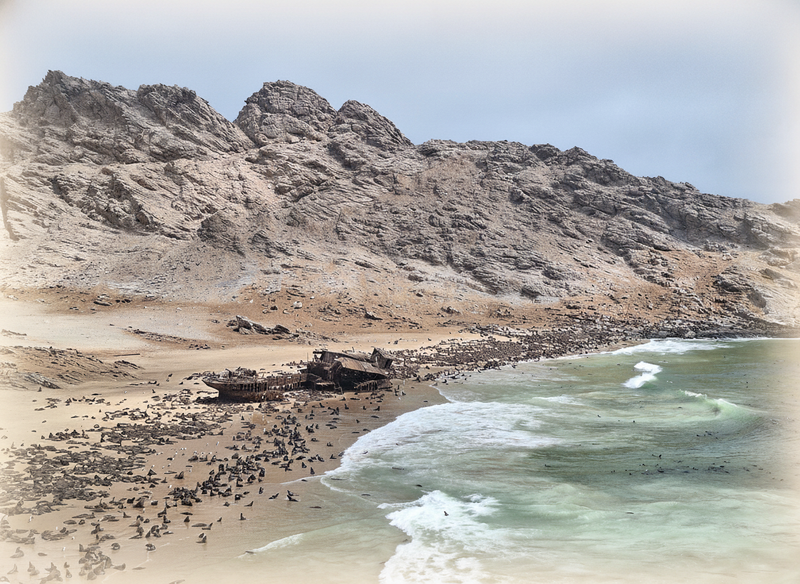
The Forbidden Land and Shipwreck Tour
This thrilling guided self-drive tour takes you through the former restricted "Sperrgebiet" (Forbidden Land) and former Diamond Area No. 2, now part of the Namib-Naukluft National Park. You'll traverse untouched beaches, conquer massive shifting dunes, discover abandoned mining ghost towns, and visit iconic shipwrecks along one of the world's most remote and dramatic coastlines. Expect adrenaline-pumping 4x4 driving, breathtaking scenery where towering dunes plunge into the Atlantic, and glimpses of desert-adapted wildlife like oryx, springbok, and Black Back Jackal. Evenings are spent wild camping under star-filled skies, pure wilderness immersion!
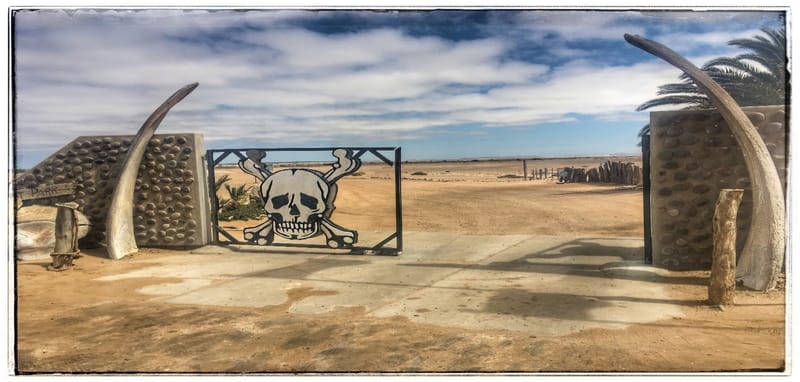
Kunene Mouth
The ‘Skeleton Coast’ has a reputation for being remote, inhospitable and steeped in an eerie history. This northern and most remote section of the Park is a stunning reminder of the power of nature, and it is sobering to visit such a timeless wilderness.
Learn More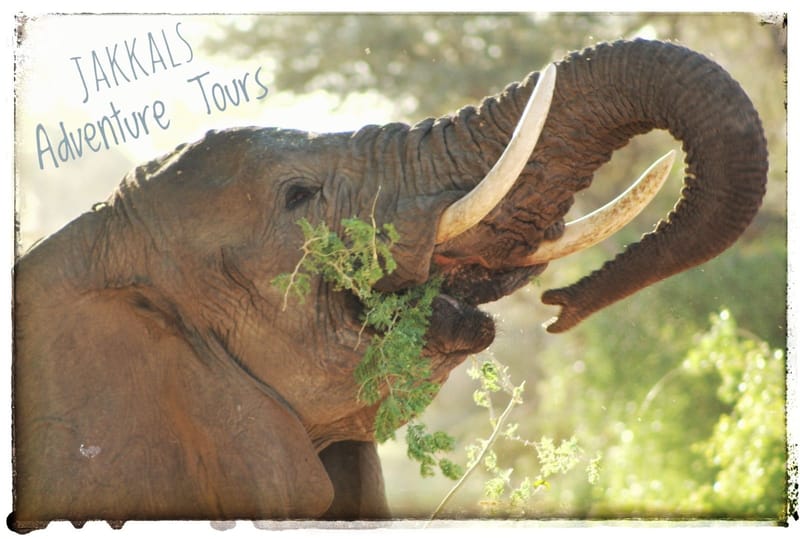
Rivers of Kaokoland and Damaraland
Kaokoland and Damaraland, in Namibia's north-western corner, stand as one of the world's most captivating and untamed wilderness areas. This rugged, dramatic landscape of ancient mountains, vast plains, and deep gorges is ideal for hardcore travellers seeking authentic exploration. Here, the ephemeral rivers are the lifelines of this arid paradise. Rarely flowing on the surface, dry riverbeds like the Hoanib, Hoarusib, Huab, Uniab, and Ugab become lush linear oases after rare rains. Towering ana trees and acacias line their banks, drawing desert-adapted elephants, lions, black rhino, giraffe, oryx, and springbok that thrive in these harsh conditions.
Learn More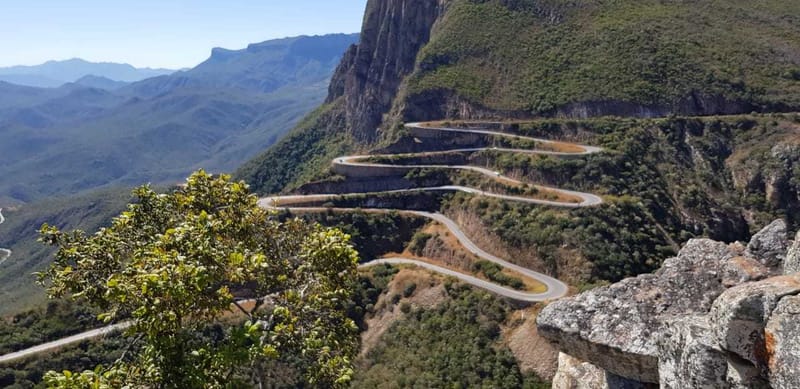
Bem Vindo Angola
This tour host all the iconic places of Angola excluding the Death Acre section. We start in Rundu and finish in Ruacana. Simply a must do tour.
Learn More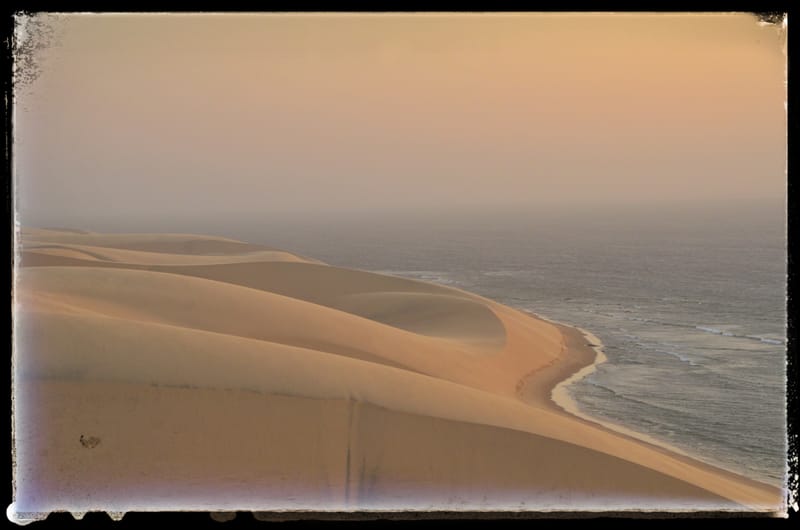
Angola Death Acre
This tour includes all the iconic places of Angola including the well-known and feared Death Acre. The tour starts in Ruacana and ends in Rundu. You need an experienced guide for this.
Learn More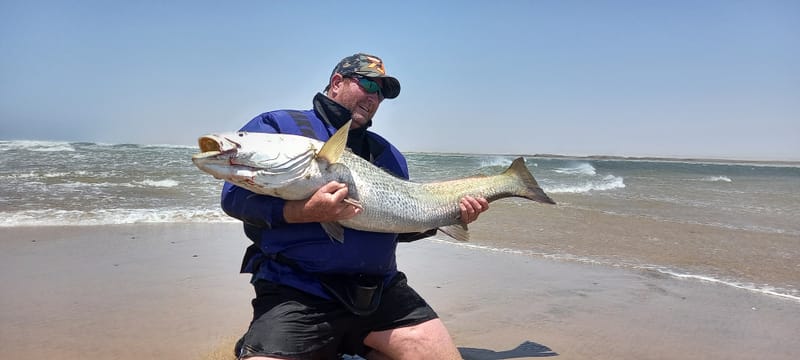
Kunene Fishing Activity
We offer a lifetime opportunity to fish on Namibia's most northern border, bordering Angola where the mighty Kunene River meets the ocean.
Learn More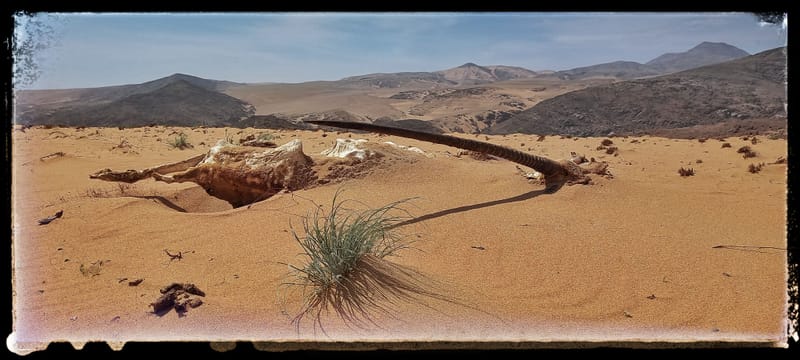
Death Acre and the rest of Angola
Introduction: Angola’s Death Acre can be the most dangerous coastal track if your planning isn’t right, but there is something to it, something deep inside you on to do this, or maybe it’s a “bucket-list” thing, nevertheless you want it. The beauty of the coastal wilderness with its dunes, the Kunene Mouth makes up for it. Don’t worry, you are in good hands with us. But then let’s look further into the journey, 4600km through a country that offers more than just a tour, it’s an expedition. The people are friendly, pretty landscapes and lots of history. Just to mention a few highlight places that comes to mind is Luanda, the forest of Kumbira and Seles, Kalandula Falls, Pedras Negras, Cuito Cannavale and the coffee farms. Our journey through Angola is a true “story book”, you just need to see it and put it all together. An absolute must of an adventure. We have been offering tours through Angola for over fifteen years, we understand the people, the laws and regulations of the country to guide you on a safe and hassle-free expedition.
Learn More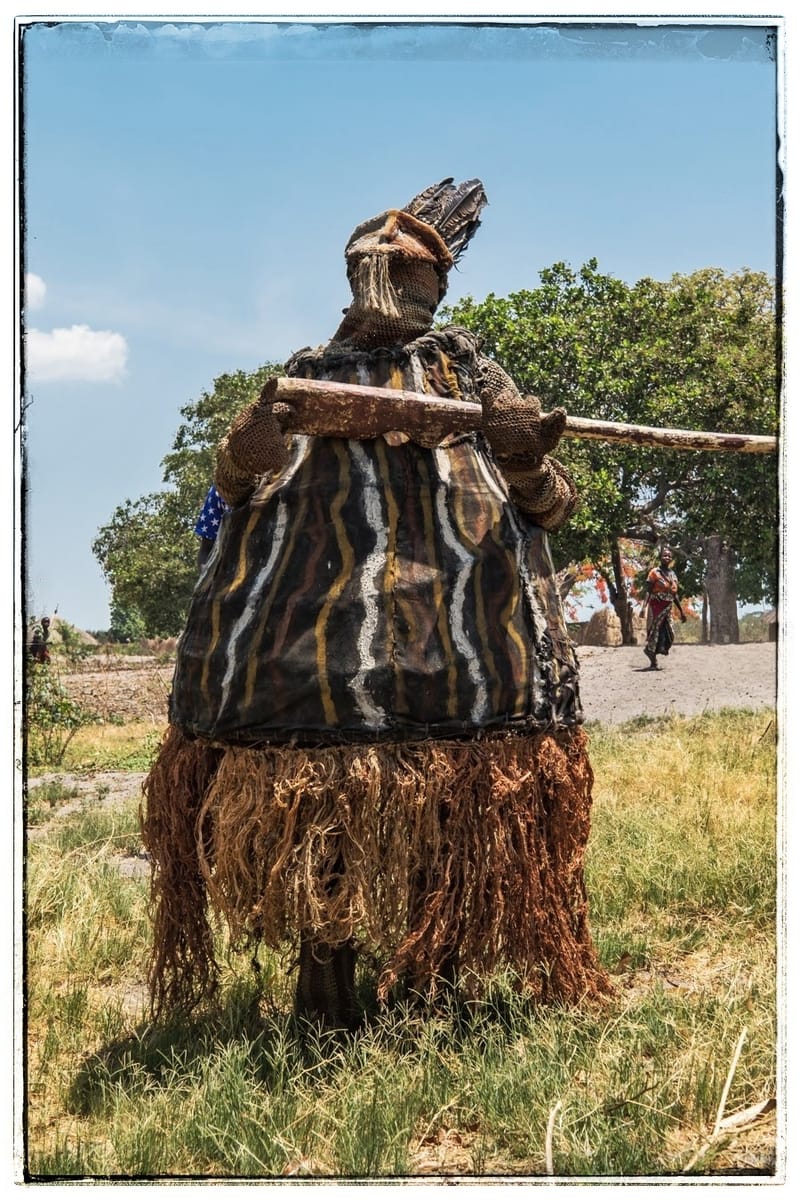
Zambia
Between October and December each year, about 10 million straw coloured fruit bats descend into a tiny patch of evergreen swamp forest inside Kasanka National Park, Northern Zambia. This natural phenomenon, unique only to Kasanka lends itself to some truly astonishing birdlife sightings set against a backdrop of incredible scenic surrounds and dramatic skies.
Learn More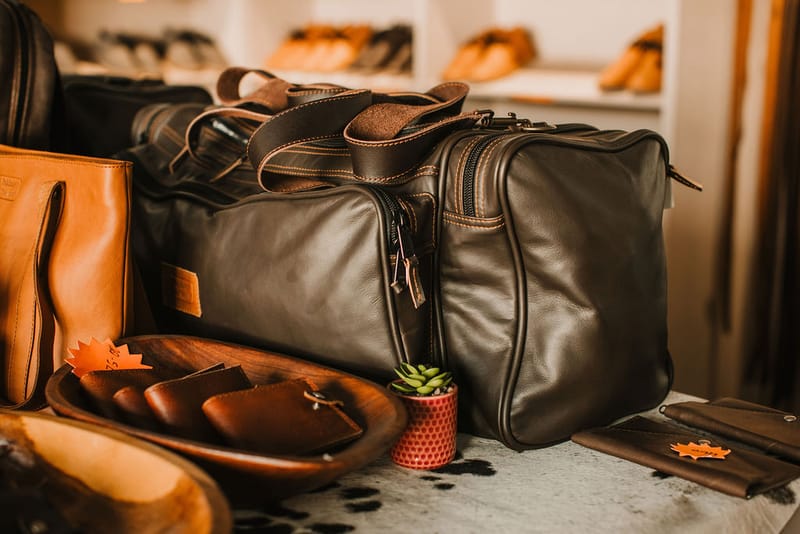
Jakkals Vellies Namibia
Step into your Namibian adventure the right way! Grab yourself a pair of our legendary Jakkals Vellies, handcrafted right here in Namibia from premium Seal, or Kudu leather. Tough enough for the dunes, soft enough to mold perfectly to your feet. Arrange with Jakkals and he will bring them with on your tour.
Important
Items that might be of useful help to you while you are on tour with us:
Namibian Regulations and border:
Meat, Dairy, Poultry, and Animal Products
These are heavily regulated due to disease risks. Previous informal allowances for personal use from South Africa are no longer valid, leading to frequent confiscations.
Cloven-hoofed animal products (e.g., beef, mutton, goat, pork, game meat): Includes biltong, fully cooked meat, canned meat, processed meat (e.g., sausages), milk, cheese, and similar. A Namibian Veterinary Import Permit is required for any amount, no exceptions for personal use.
Without it, items are confiscated. Apply via the form on the Ministry of Agriculture, Water and Land Reform website or email: Vet.Permits@mawlr.gov.na
Some sources mention a possible allowance for own consumption without a permit, but this is outdated and not enforced permit is now mandatory.
Poultry products: A specific ban remains in place on all fried or cooked chicken from South African fast-food chains (e.g., KFC, Nando's, Hungry Lion) due to avian influenza (bird flu) and foot-and-mouth disease outbreaks. Even processed or takeaway items are high-risk and typically confiscated, as safety can't be verified post-preparation.
Dairy and other animal derived: Milk, cheese, yogurt, etc., from cloven-hoofed animals need a permit. Non-animal dairy alternatives (e.g., plant-based) are generally fine if within value limits.
End
With all these regulations in place we recommend that you plan accordingly when traveling to Namibia. On your tour you are responsible for your own lunches as well as your snacks. We suggest you plan to stop at a Namibian shop and do your shopping in Namibia. This might cause additional planning for your trip.
DON’T get angry at the border if they confiscate your food, you are warned.
Wood - Practical Advice:
Most travelers avoid the hassle. Buy your braai wood or charcoal in Namibia once you cross the border. It's widely available at shops, fuel stations, lodges, and campsites. This is the safest and easiest option, with no risk of loss or fines.
Important Water Tips for Your Trip:
Namibia is one of the driest countries in the world, so water is a precious and scarce resource. Please help us save it by arriving with your tanks filled up already.
Most fuel stations and campsites are reluctant (or unable) to allow filling of large tanks. Some sites offer only raw or untreated water which isn't suitable for your tanks anyway and could cause issues.
Best practice: Fill up at a reliable, potable source before heading out where tap water is generally safe and treated. Always confirm locally if unsure. While on tour with us, we'll assist with water refills where possible, depending on your booked itinerary. For Dune tours (or other remote/off-grid adventures), plan and carry sufficient water for the entire duration, no refills may be available en route.
Additional items that can come in handy:
- Spade, even if it’s a small one it might save you.
- Minimum of 60 liters water for your shower. Then an additional 20 liters that is for the kitchen
- Tire pressure gauge – very important.
- Pump to inflate tires – very important.
- Toilet paper and matches
- Heavy garden plastic bags to carry your waste, we can’t carry it for you, you will have to manage it yourself.
- Spare Drive Belt for your vehicle, this could be a lifesaver.
- Angola and Zambia we recommend a spare fuel filter also.
- Vehicles must have good recovery points, in the back and front please.
- Strap and fasten everything down in your vehicle, this is very important.
- Do not overload your vehicle, keep it as light as possible.
- Good tires, don’t fit your “oldies” before the trip.
- Don’t worry about recovery gear, we have you covered.
- At least one good spare tire.
- For Angola and Zambia tours, if you are worried and want to carry a second spare tire you are welcome to, or you can just carry the casing without the rim. If needed, we can help you to fit the casing.
- Please check with your insurance company that your vehicle is covered for an off-road trip through Namibia or the country you are intending on visiting. Should you have a breakdown we will assist with onsite recovery, but this will be at an additional cost.
What will you need:
- A Good tent or rooftop tent to stay in. Sometime the wind can blow, and you will need a proper tent. These small thin “Takealot” tents might fail you.
- Eating utensils.
- Your bedding
- Chair and small table
- Your own lunch
- Snacks, water and alcoholic beverages and ice
- Flashlight, camera and batteries
- Sunblock and hat, the Namibian sun is very intense.
- All your personal medicine
- In Namibia the evenings can get quite cold in the dunes and winters. During the day it’s sunny and gets quite warm so be prepared.
Fuel:
Each trip is different but if you work these distances, you should be fine. Finer details can be obtained from Jakkals per WhatsApp about your vehicle closer to time.
- Dune Tours work on 600km range, 4x4 driving.
- Rivers of Namibia work on 800km gravel road driving.
- Angola / Zambia work on a 1000km range normal driving.
We cannot carry any fuel for you; we are loaded and must carry our own.
Radio and communication:
We will supply you with a radio for the duration of your trip. We will install them on the first day we meet.
NOTE: We need your lighter socket for the power of the radio, please if you use it yourself, bring a splitter to make space for our radio also. We will not allow the cutting of wires on our radios.
If you have your own radio, get the frequency from Jakkals to program it, you are welcome to.
Regards,
See you soon.
Emergency contact number: Sat-Phone: +881 6 315 7396 2
The sat phone is for emergencies only where family members can get hold of you while on tour. If you need to be in contact 24/7, please pack your own sat phone. Or phone won't be available to you for general calls.
For Angola and Zambia, it's not needed as cellular phones work in most of the areas.
Contact
- Swakopmund, Namibia
- P. O Box 2497
